
Growing rice using natural ingredients - Interview with Shimizu from Sakusaku Farm
The rice served with the curry at Tsugumori is Gorobei rice, a famous local brand of rice.
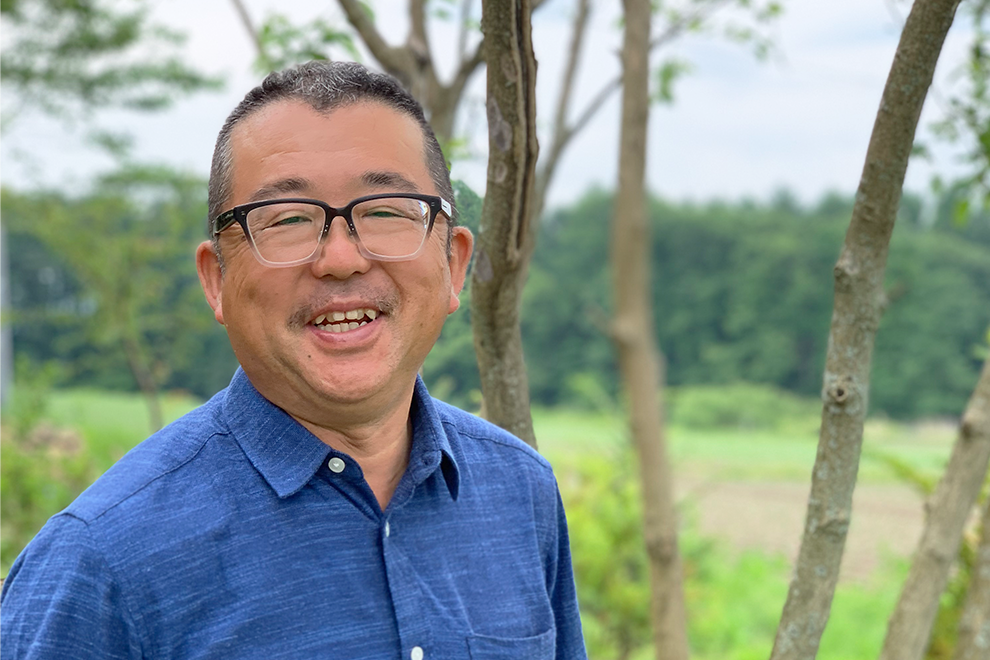
We spoke with Shimizu-san of Sakusaku Farm, a producer of Tsugumori rice who grows rice without the use of pesticides in an environment close to nature.
- Mr. Shimizu, have your ancestors been farming in Komoro for generations?
He was originally a part-time farmer.
I myself worked as an engineer at a semiconductor factory in Kawasaki in my 20s, and returned to Japan when I was 30.
After returning to Japan, I worked in metal processing and farmed part-time for a while, but when I was 34, I came to own farmland in Gorobei Shinden, on the border between Komoro City and Saku City, so I started growing rice in earnest. I had rice fields to begin with, but I grew rice to make a living rather than to grow delicious rice.
In my mid-30s, the amount of rice paddy land I had increased, and my desire to do more on my own grew stronger, so I decided to become a full-time farmer at age 40 and studied at an agricultural college for a year, during which time I also studied pepper cultivation.
-What crops are you growing now?
My farmland is not suitable for leafy vegetables, so I grow potatoes, tomatoes, peppers, and other fruit and vegetable crops, as well as buckwheat, rapeseed, soybeans, and rice.
- You make so many different kinds!
To make it as a full-time farmer, you need to produce that much, so now I cultivate a total of 20 hectares, both my own land and tenanted land, in three locations along the Chikuma River in the former Asaka district, Mimakihara, and Komoro.
- Among them, Shimizu's rice is delicious and has won gold medals in competitions. Please tell us about the particularities involved in growing rice.
We are conscious of not using anything that does not exist in nature, and choose production methods that are as close to nature as possible.
For example, when rice bran is spread on a rice field that has not been treated with pesticides, it releases a gas that acts as a herbicide, so we can use that, or we can attach a chain to the back of a radio-controlled boat to muddy the water and slow the growth of weeds.
The impetus for starting this rice farming came from the son of a classmate who was born with a weak constitution and asked me for advice on whether he wanted to feed his son pesticide-free rice.
- So you started out with the desire to "let your loved ones eat with peace of mind." What are the challenges of growing rice without pesticides?
I guess it's a battle against weeds. Weeds will inevitably grow without herbicides, so we have to learn to coexist with them, but the weeds are more vigorous and the rice plants end up losing out. We have to keep the weeds under control until the rice plants grow big, so that period is the most difficult.
- Any final words?
The germ of rice is where the nutrients and impurities reside. Many people, including my family, prefer white rice, but to fully enjoy the taste of pesticide-free rice, I would recommend eating brown rice if possible.
Thank you, Shimizu Makoto.
We serve Tsugumori curry with white rice, but if you're interested, be sure to try Shimizu's brown rice as well!
Click here for the Sakusaku Farm website


